.png)
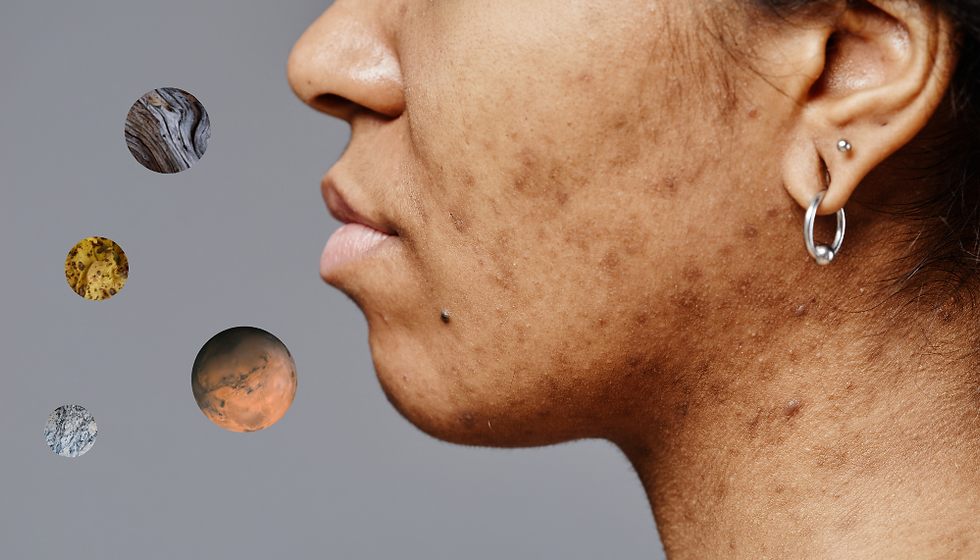
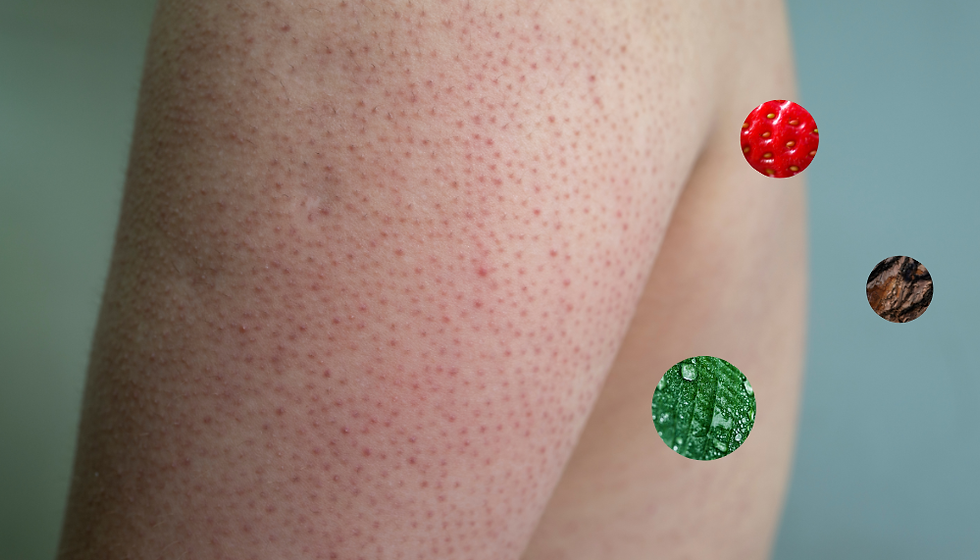
One Routine. Two People. Two Very Different Results.

Many people assume there is a single “healthy” or “perfect” microbiome to aim for, but in reality no two microbiomes are alike. Your skin’s microbiome is shaped by genetics, environment, ethnicity, lifestyle, hormones and even climate. Even people with the same skin type or routine can show distinct microbial profiles. What keeps one person’s skin balanced may do little for another, and in some cases can trigger disruption.
What We Know:
Research shows that:
A healthy microbiome is better defined by how well it stays balanced and adapts to change (Prajapati et al, 2025).
People living in different regions, climates or environments can have entirely different microbiome compositions while remaining clinically healthy (Gupta et al, 2017).
Higher diversity is not automatically better—some healthy skin areas naturally have low diversity (Lloyd-Price et al, 2016).
Two people using the same product may have different outcomes because their microbiomes influence how that product behaves (Hwang et al, 2021).
Industry Impact And Potential:
The absence of a “universal” microbiome profile fundamentally changes how skincare should be developed. This opens new strategic opportunities for brands to innovate beyond one-size-fits-all approaches, including:
Creating routines built around baseline microbiome profiles, not generic skin types.
Identifying “microbiome responders” and “non-responders,” helping refine targeting and reduce irritation-related returns.
Developing demographic-specific formulations shaped by ethnicity, environment, hormonal phase or age.
Strengthening claim credibility using measurable biological outcomes rather than assumed skin benefits.
Our Solution:
Sequential enables brands to turn microbiome individuality into evidence-based innovation. Using our global microbiome database of 50,000+ samples covering diverse geographies, ethnicities, life stages and skin states, we provide insight into how different cohorts respond to formulations. We help identify key biological differences between groups and translate these into clear formulation directions.
By grounding innovation in measurable variation rather than assumptions, Sequential enables brands to create personalised, microbiome-safe solutions that genuinely meet user needs.
References:
Gupta, V., et al. (2017) Geography, Ethnicity or Subsistence-Specific Variations in Human Microbiome Composition and Diversity. Frontiers in Microbiology. https://doi.org/10.3389/fmicb.2017.01162
Hwang, B. K., et al. (2021) Effect of the skincare product on facial skin microbial structure and biophysical parameters: A pilot study. MicrobiologyOpen. https://doi.org/10.1002/mbo3.1236
Lloyd-Price, J., et al. (2016) The healthy human microbiome. Genome Medicine. https://doi.org/10.1186/s13073-016-0307-y
Prajapati, S.K., et al. (2025) Microbiome and Postbiotics in Skin Health. Biomedicines. https://doi.org/10.3390/biomedicines13040791

Comments