.png)
The Perimenopausal Shift in Skin and Scalp Biology

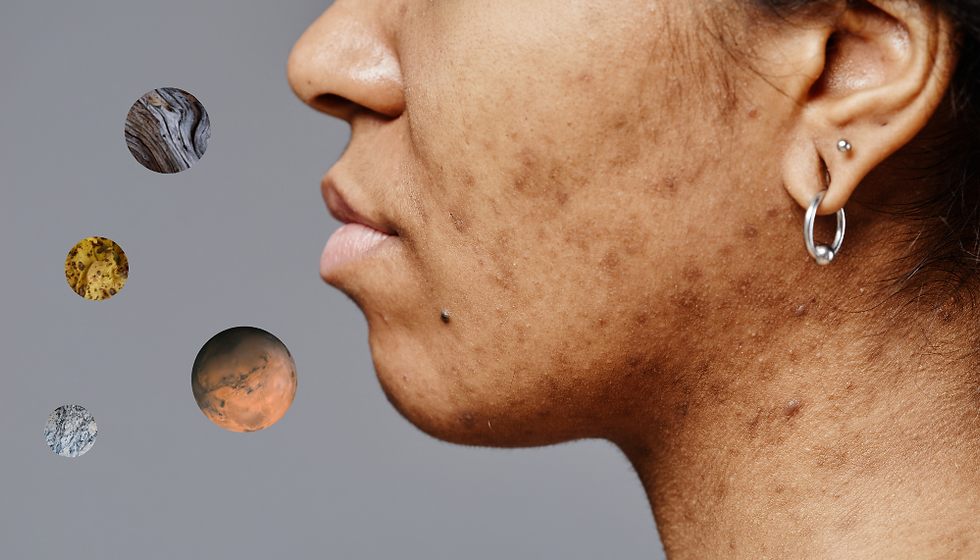
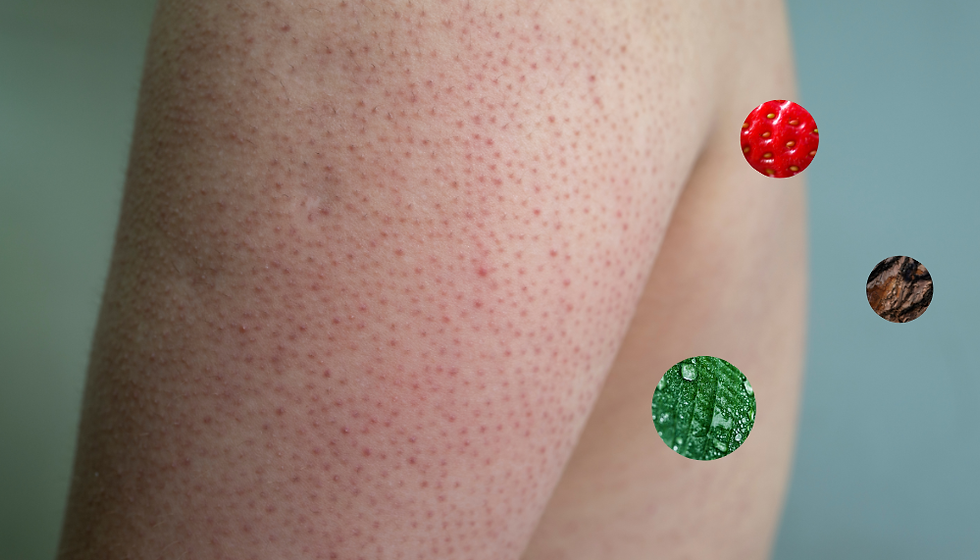
Perimenopause brings profound, hormone-driven changes to skin and scalp biology, yet these shifts are still dismissed as “ageing.” For many people, the experience is sudden and unsettling: skin that once felt predictable becomes dry or reactive; hair begins to thin, shed or change texture; the scalp becomes itchy or persistently irritated. These changes can arrive quickly, without warning or clear guidance on what is happening or why.
As conversations around menopause become more open, there is growing recognition that perimenopausal skin and scalp need different support. These are not cosmetic inconveniences but biological transitions shaped by fluctuating hormones and individual physiology. Understanding what changes during this phase is essential for developing products that respond to underlying biology, not just visible symptoms.
What we know
Falling and fluctuating oestrogen levels, alongside a relative rise in androgens, alter collagen production, barrier integrity and sebum regulation, contributing to dryness, sensitivity and reduced elasticity ¹.
Hair follicles are oestrogen-responsive; reduced oestrogen shortens the growth phase, leading to increased shedding, finer hair and slower regrowth, often most visible at the temples and crown ².
Hormonal shifts combined with scalp skin ageing (reduced collagen, vascularity and barrier function) increase susceptibility to irritation, inflammation and microbiome imbalance, contributing to thinning and discomfort ³.
Around 60–70% of women report skin changes and up to 80% report hair symptoms during perimenopause, with wide variation in timing and severity, making one-size-fits-all solutions ineffective ¹.
Industry impact and potential
Perimenopause opens new opportunities for targeted innovation:
Life-stage specific care: Products designed around hormonal transitions rather than chronological age.
Scalp-first approaches: Supporting barrier health and follicle environments alongside hair fibres.
Long-term support: Moving beyond quick fixes to sustained skin and scalp resilience.
Broader hormone insight: Expanding research beyond oestrogen to include hormones such as progesterone.
Our position
At Sequential, we help brands understand how perimenopausal skin and scalp respond under real-world conditions. By combining microbiome profiling with molecular, metabolomic and multi-omic analysis, we can track changes in barrier function, inflammation and follicle-relevant pathways over time. Using our global database of 50,000+ samples, we can benchmark responses across life stages to support products that genuinely meet perimenopausal needs.
References
Zouboulis, C. et al. (2022). Skin, hair and beyond: the impact of menopause. Climacteric, 25, 434–442.
Kamp, E. et al. (2022). Menopause and hair disorders. Clin Exp Dermatol, 47, 2110–2116.
Williams, R. et al. (2020). Hair ageing and the follicle environment. Exp Dermatol, 29, 588–597.

Comments