.png)
Pigmentation, Decoded: Why Multi-Omics Changes the Conversation
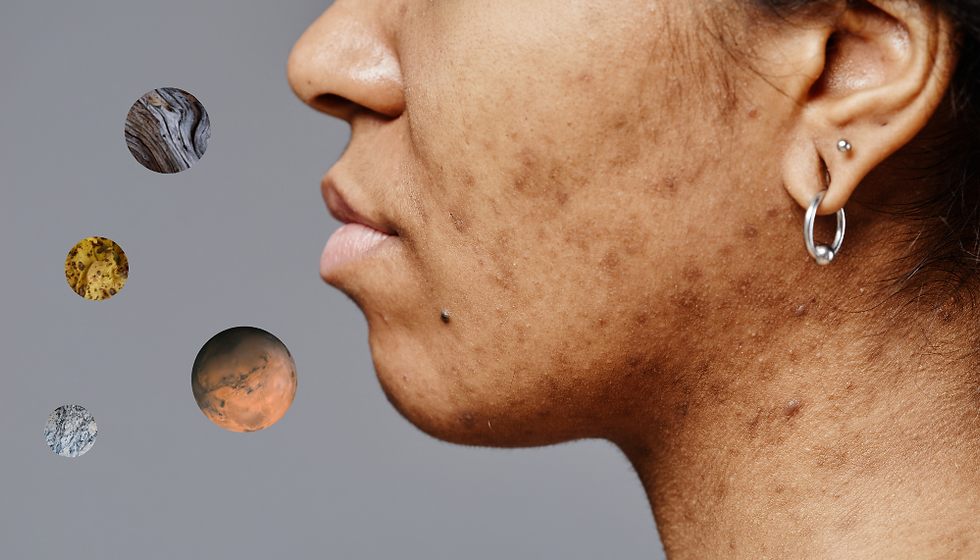
Pigmentation concerns are often treated as surface level issues, yet skin tone and dark spot formation are shaped by complex biological pathways. Traditional approaches tend to focus on single pathways or individual ingredients, but genetics, environment, metabolism and microbial activity all intersect and have impact.
Multi-omics offers a more complete way to understand pigmentation by looking at multiple biological layers at once. This includes genes, proteins, metabolites, lipids and the skin microbiome. Bringing these insights together, this multi-omic view is shifting the field away from ingredient-led claims toward system-level insight into why pigmentation behaves differently across individuals and skin tones.
What we know
Multi-omic research shows that pigmentation outcomes emerge from interactions between genetic regulation, metabolic activity and intracellular signalling, with lipid and metabolite profiles playing a key role in pigmentation issues 1.
Genetic, environmental and lifestyle factors interact to shape individual pigmentation responses 2.
Since pigmentation pathways interact dynamically, focusing on one mechanism alone often fails to explain variable outcomes across skin tones, populations and environments 3.
By integrating molecular, metabolic and microbial data, multi-omic approaches help explain why similar products can perform very differently between individuals 4.
Industry impact and potential
Multi-omics creates new possibilities for pigment care:
Clearer understanding: Showing how and why pigmentation changes, not just whether it does.
Better targeting: Designing formulas that target the biological processes most relevant to different pigmentation concerns.
Inclusive innovation: Building products based on real biological differences across skin tones and environments, rather than one-size-fits-all averages.
Our position
At Sequential, we use multi-omic analysis to move pigmentation research beyond single-actives and surface outcomes. By integrating molecular, metabolomic and microbiome data with in-vivo testing, we map how pigmentation pathways respond over time and in real-world conditions. Supported by our 50,000+ sample database, this approach allows brands to develop evidence-led, inclusive pigment solutions grounded in biology rather than broad brightening claims.
References
Bajpai, V. et al. (2023). Determinants of human pigmentation. Science, 381, eade6289.
Jablonski, N. (2021). Evolution of human skin pigmentation. Pigment Cell Melanoma Res, 34, 707–729.
Pavan, W. & Sturm, R. (2019). Genetics of human skin and hair pigmentation. Annu Rev Genom Hum Genet, 20.
Serre, C. et al. (2018). Regulation of human skin melanogenesis. Int J Cosmet Sci, 40.


Comments