.png)
Your Skin Barrier Isn't Working Alone

The skin barrier is often described as a wall. In reality, it’s more like a living ecosystem. At its surface sits the skin microbiome, a complex community of bacteria, fungi, and viruses that don’t just exist on the skin, but actively help it function.
Rather than being passive, the microbiome works alongside the physical, chemical, and immune layers of the barrier to maintain resilience, regulate inflammation, and protect against environmental stress. When this relationship is balanced, skin performs optimally. When it’s disrupted, both barrier function and skin health can decline.
What we know
The microbiome acts as a co-regulator of skin function, working alongside the barrier and immune system 1.
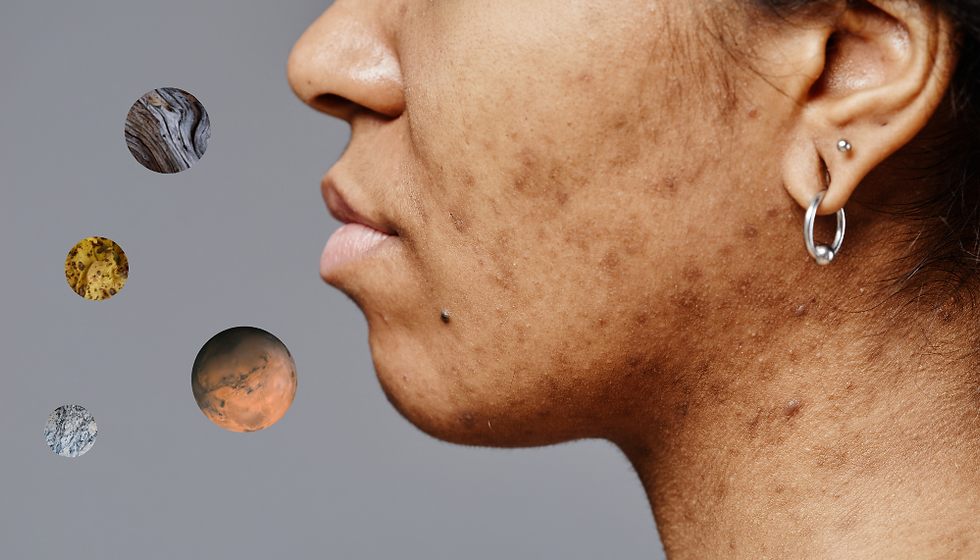
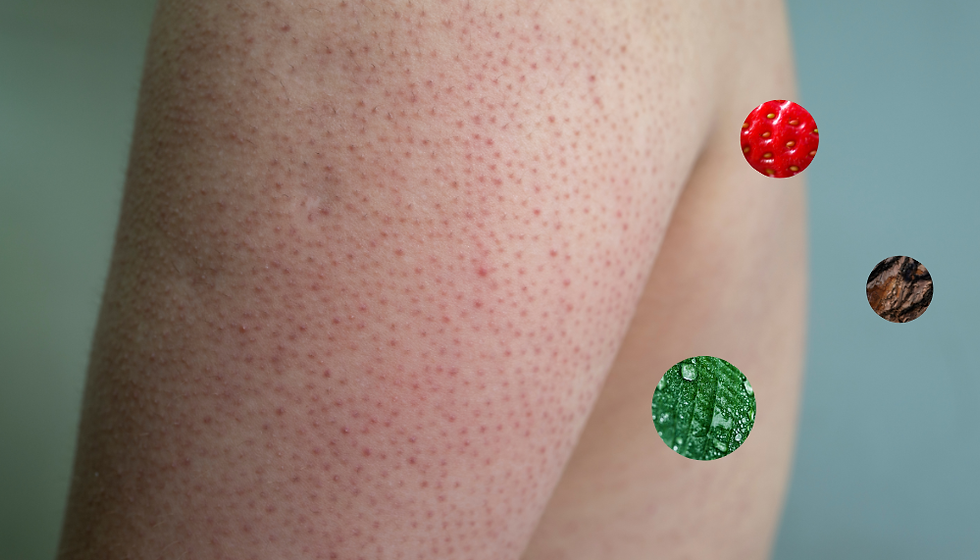
The microbiome is a diverse, site-specific ecosystem. Oily, moist, and dry areas host distinct communities 2,3.
Commensal microbes actively support barrier integrity through effects on keratinocytes and lipid balance 1, 4.
Dysbiosis, through reduced diversity, is associated with conditions such as acne, atopic dermatitis, and psoriasis, often alongside barrier disruption 1, 5.
Industry impact and potential
For formulation, this changes the goalposts. It’s no longer enough to protect the barrier or consider the microbiome in isolation. The focus should be on supporting the system as a whole.
Barrier-first design: Prioritising formulations that maintain hydration, pH, and lipid balance to create conditions in which beneficial microbes thrive.
Microbiome-compatible actives: Using prebiotics, postbiotics, and fermented ingredients where evidence supports functional benefit.
Precision skincare: Leveraging microbiome profiling and multi-omic data to match products to different skin states, environments, and life stages.
Our position
At Sequential, we approach the skin as an ecosystem, not a single pathway. Our focus is on generating measurable, real-world evidence of how formulations interact with both the barrier and the microbiome simultaneously. Using integrated multi-omics approaches, we can quantify changes in lipid composition, protein expression, microbial activity, and overall skin resilience over time. By testing formulations on diverse skin types and environments, using our global sample database, we generate insights that reflect real-world use rather than idealised conditions.
References
Lee, H, et al. (2022). Skin Barrier Function and the Microbiome. Int J Mol Sci, 23.
Smythe, P, et al. (2023). The Skin Microbiome: Current Landscape and Future Opportunities. Int J Mol Sci, 24.
Prajapati, S, et al. (2025). Microbiome and Postbiotics in Skin Health. Biomedicines, 13.
Harris-Tryon, T, et al. (2022). Microbiota and Maintenance of Skin Barrier Function. Science, 376, 940–945.
Scharschmidt, T, et al. (2025). Skin Microbiome and Dermatologic Disorders. J Clin Invest, 135.

Comments